A Frustrating Foray: The Elusive Orchis Sanguinaria
Enthusiasts of Tunisian flora will know that our lands harbour some truly unique botanical treasures, many still poorly understood. For weeks, I have been preparing for an expedition into the less-travelled ravines of Jebel Serj, spurred on by local shepherd tales and fragmented historical accounts of a strikingly beautiful, yet notoriously elusive orchid: the Orchis sanguinaria, or "Blood Orchid," so named for the deep crimson veins that streak its delicate petals.
The conditions in Jebel Serj are challenging, with unpredictable microclimates and rugged terrain. After several days of careful searching, guided by a barely legible 19th-century botanist's map, I believed I had finally located a small colony flourishing in a shaded, damp crevice, accessible only by a rather precarious descent.

The treacherous terrain that one must navigate in search of Jebel Serj's botanical secrets.
My excitement was immense. I prepared my camera, a trusty (if somewhat temperamental) Leica I've used for years on these field trips. And then, disaster struck. As I was framing the shot, a sudden gust of wind, funnelled through the ravine, whipped up a cloud of fine dust and grit. In my haste to shield the lens, the camera slipped from my grasp, tumbling a short distance down the rocky slope and landing with a sickening thud in a damp patch of moss.
The visual data from the expedition, particularly the crucial shot I was attempting, is a loss. Utterly heartbreaking. The retrieved image file is almost entirely black, marred by severe corruption and what I can only assume is moisture damage to the sensor or internal processing. A photographic travesty, to say the least.
You can see the lamentable result for yourself (if you can even call it a 'result'):
Corrupted Expedition Photograph:
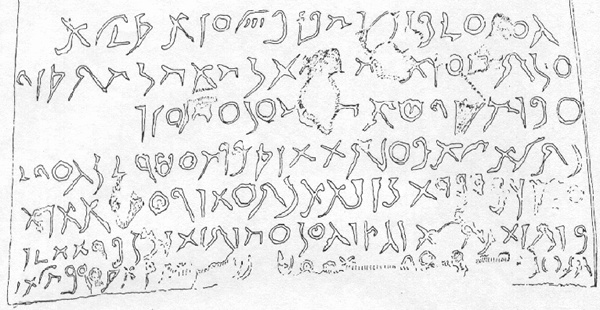
(Warning: The image is heavily corrupted and offers little visual information. Careful analysis of the file itself might be required.)
This entire incident has left me utterly dejected. Weeks of preparation, undone by a moment's misfortune. Beyond the obvious visual ruin, I can't help but wonder if any residual trace of the expedition's data might persist within the file itself – some digital ghost of what might have been. Such hopes are likely fanciful, the digital equivalent of searching for meaning in tea leaves, I suppose. If any technically-minded readers have ever managed to extract anything useful from similarly catastrophic digital failures, I'd be interested to hear of such modern alchemy, though I hold out little hope for this particular disaster.


Commentaires
Enregistrer un commentaire